

Abdominal Mesothelioma Cancer
The treatment is crucial to peritoneal mesothelioma patient's life expectation. Some patients with mesothelioma live for more than 10 years after diagnosis.
Doctors diagnose mesothelioma by using x-rays or CT scans. They can also employ an peritoneoscope for examination of the abdomen.
The symptoms of mesothelioma can be compared to other diseases. Because of this, mesothelioma may be difficult to diagnose.
Symptoms
In contrast to pleural mesothelioma which affects the tissue surrounding the chest cavity and lungs Peritoneal mesothelioma is found in the abdominal lining. It occurs when asbestos fibers get caught in the digestive tract, and then travel to the peritoneum, where they could become trapped for years leading to inflammation and genetic damage. As a result malignant cells develop that grow and pressurize organs. This type of mesothelioma can be more rare than pleural, but it still can spread to other parts of the body.
Mesothelioma develops when a mutation occurs in a cell's DNA and causes it to grow out of control. These abnormal cells can grow into one large tumor or a number of smaller nodules throughout the body. Mesothelioma can occur in the chest's lining or abdominal cavity as well as in the lining of the heart and testicles. There are four types of mesothelioma, comprising pericardial, peritoneal and mesothelioma pleural.
The most frequently reported symptoms of mesothelioma include difficulty breathing, a persistent cough that doesn't go away, and fatigue. People with mesothelioma can also experience stomach constipation, stomach pain, bloating diarrhea, and weight loss. The symptoms are usually not evident until the cancer has advanced. This can lead to delays in diagnosis and treatments.
It is essential to speak with your doctor if you experience any of these symptoms. Peritoneal mesothelioma can mimic other conditions. Your doctor will conduct tests and review your mesothelioma exposure history to determine if these symptoms may be associated with the disease.
If a patient is diagnosed with mesothelioma, treatment can reduce the severity of symptoms and improve the patient's prognosis. Treatment options include surgery, chemotherapy, radiation and immunotherapy to kill mesothelioma cells and prevent the spread of mesothelioma to other organs of the body.
Patients and their families can experience the treatment for mesothelioma difficult. A mesothelioma specialist can help to make this a smoother experience. The more details you can give your mesothelioma doctor, the better he or she is able to treat your condition. They can also offer guidance on how to manage symptoms after treatment.
Diagnosis
Peritoneal Mesothelioma is a rare cancer of the abdominal lining is a rare disease. It is only triggered by exposure to asbestos. Patients should seek out a mesothelioma specialist. They have the expertise and tools to diagnose mesothelioma of the peritoneal region correctly. They are also able to treat the condition.
To determine a diagnosis doctors will go over your medical history and perform a physical examination. They will look for lumps and other signs of mesothelioma. They can also request imaging tests, such as a CT scan, MRI or X-ray. These tests offer a more detailed image of the body than X-rays. The results will help determine if you suffer from mesothelioma tumor and how far it has spread.
A doctor will conduct a biopsy on any suspicious tissue in order to confirm the diagnosis of mesothelioma. There are several types of mesothelioma biopsies that are available. A physician will determine the method that best suits your specific needs. Paracentesis, for instance is a procedure which collects peritoneal fluid from the abdomen to be tested. In the majority of cases, however, a surgeon may perform an laparoscopic biopsy.
Once the mesothelioma specialists test the biopsy, they will determine whether the cancerous cells are present. They also determine the stage of the tumor which can affect your prognosis. They will utilize the TNM system (tumors nodes, tumors, as well as metastases) to determine the stages of mesothelioma.
Mesothelioma is divided into three types of cells. Epithelioid cancer cells are more likely to respond to treatment and live longer than sarcomatoid cancer cells which tend to be more aggressive. There are biphasic mesothelioma cancers that contain both epithelioid and sarcomatoid cells.
Mesothelioma staging is crucial because it helps doctors decide on the best treatment option for you. A specialist in peritoneal mesothelioma will likely determine your stage according to the severity of your symptoms and how the tumor has spread across the abdominal cavity. They will also consider your general health and whether you're suitable for clinical trials. They will then create an appropriate treatment plan that meets your specific requirements.
Treatment
Mesothelioma cancer cells develop from asbestos fibers that get into the body through swallowing or breathing. Asbestos fibers cause irritation and inflammation and damage DNA. As time passes, this leads to abnormal cell growth and the formation of tumors. The cancer cells can cause irritation to the lining (peritoneum) of the abdomen, causing fluid to accumulate in the abdomen and cause other symptoms. Mesothelioma is most often found in the pleura, the membrane that surrounds the chest cavity and protects the lung. It can also affect the abdominal lining and organs. Other types of mesothelioma include the pericardial (which forms in the tissue that surrounds the heart) and testicular (which affects the lining around the testicles).
The earliest stage of mesothelioma is difficult to diagnose because the symptoms are similar to those of other diseases. Your doctor might recommend magnetic resonance imaging (MRI) or computed tomography scan (CT). These tests can detect abdominal masses, and determine the rate at which they grow. Your doctor might also inject a safe dye into your bloodstream to make the masses stand out more clearly on the CT scan. Your doctor may also perform biopsy to collect mesothelioma cells and cells. A peritonal biopsy is the most popular procedure to confirm the diagnosis of mesothelioma. Your doctor can also perform a paracentesis in order to take peritoneal fluid to analyze or a laparotomy. This removes all or a portion of the mesothelioma tumors and provides immediate relief from pressure and pain on internal organs.
Your doctor will go over the treatment options after the diagnosis is confirmed. The type of mesothelioma you have will determine your prognosis. You could receive a combination of chemotherapy and surgical procedures.
is mesothelioma non-small cell lung cancer can remove mesothelioma tumors using a surgical procedure called cytoreduction as well as hyperthermic intraperitoneal therapy (HIPEC). HIPEC involves adding a hot mixture of chemotherapy drugs to the abdominal cavity following surgery. This treatment can eliminate any mesothelioma in microscopic form that may have remained in the aftermath of surgery, and increase your chances of survival. A palliative physician can prescribe medication to manage pain and side-effects. They can also recommend physical or occupational therapy, and other complementary treatments.
Prognosis
The prognosis for peritoneal mesothelioma is based on the type of cancer, the location, and the stage of the disease at the moment of diagnosis. Mesothelioma can begin in the tissue of the chest (pleura), or the lining in the abdomen. Pleural mesothelioma is the most common and has a better survival rate, whereas mesothelioma peritoneal suffers a poorer prognosis. Mesothelioma can also expand, or metastasize, from the initial site to other areas of the body.
Doctors may use a scoring system to determine how advanced the mesothelioma has become at the time of diagnosis. One such system is the PERC (peritoneal Cancer Index). The system evaluates the cancer based on how much it has spread. It is basing itself on the Butchart staging system. Stage I is a localized tumor that can be completely removed, while stage 4 is an increased prevalence of disease in which tumors have taken over organs.
The PERC score will determine if the mesothelioma tumor is epithelioid, or sarcomatoid. This is important as these types react differently to treatment. The mesothelioma that is sarcomatoid may be more difficult to treat than epithelioid type, but there is hope for patients.
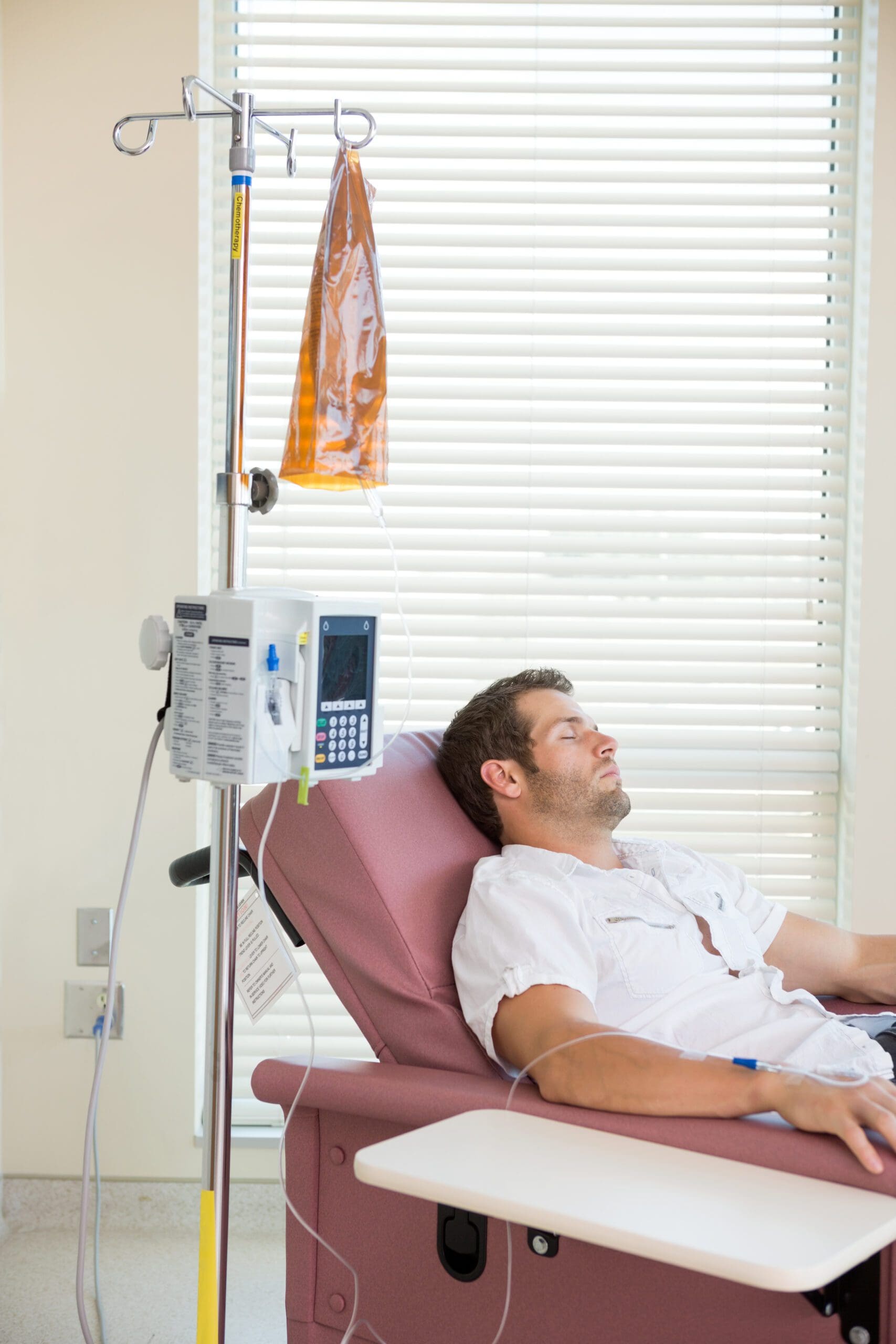
If mesothelioma is diagnosed, doctors are able to provide treatments that help control symptoms and improve the quality of life. This may include pain relief and palliative care. Palliative care is a group of experts, which includes nurses, physical and occupational therapy, as well as nutritionists who assist you in managing your symptoms.
Mesothelioma patients also get assistance from a therapist to help them deal with the fact that they have a terminal diagnosis. They may also receive financial assistance to cover the cost of their treatment. Many mesothelioma patients have received compensation from the asbestos companies that were responsible for their exposure.
A mesothelioma specialist is the ideal person to talk to for advice if you or someone you know has been diagnosed with mesothelioma. Mesothelioma specialists have a long history of experience and the expertise necessary to provide patients with the best treatment available. Find a specialist close to you with our free physician matching program. Our experts are ready to answer your questions about the best mesothelioma doctors.